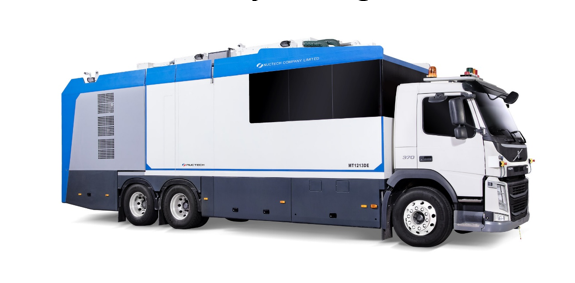
Transporting goods from one place to another might seem straightforward, but the journey is fraught with various challenges. Ensuring that cargo reaches its destination intact and on time requires more than just a sturdy vehicle. It’s a complex dance of logistics, cargo screen, security measures, and technology. From the moment cargo leaves the warehouse until it arrives at its final destination, numerous factors come into play to keep it safe and sound.
One of the main concerns in cargo transport is theft. Imagine a truck loaded with valuable electronics making its way across the country. It’s not just about getting stuck in traffic; there’s always the risk of someone intercepting the cargo and making off with it. To combat this, companies have devised ingenious security measures. But it’s not just about locking the doors and hoping for the best. The process involves a mix of technology, strategic planning, and constant vigilance.
And then there’s the issue of damage during transit. Even the most robust packaging can’t ensure that goods won’t get jostled around or mishandled. This is where advanced tracking and monitoring systems come into play, helping logistics teams keep an eye on the cargo’s condition throughout its journey.
The role of technology in transport safety
In today’s world, technology plays a pivotal role in securing cargo. Smart sensors are a game-changer, providing real-time data on everything from temperature to humidity levels inside containers. These sensors can alert operators to any anomalies, allowing them to take immediate corrective action. It’s like having a guardian angel watching over your goods, ensuring they remain in pristine condition from start to finish.
Real-time tracking is another technological marvel that has revolutionized cargo transport. With GPS and RFID systems, operators can monitor the exact location of their shipments at any given moment. This not only helps in preventing theft but also ensures timely deliveries. After all, knowing where your cargo is at all times gives you peace of mind and allows for better planning and coordination.
But it’s not just about tracking and monitoring. Technology also plays a crucial role in automating processes, reducing human error, and increasing efficiency. Automated systems can manage inventory, schedule deliveries, and even predict potential delays based on traffic patterns or weather conditions. It’s like having an all-knowing assistant who never takes a day off.
Cybersecurity in logistics: a growing concern
With all this technology at our disposal, it’s easy to forget that there’s a dark side to it as well. Cybersecurity has become a significant concern in the logistics industry. Hackers are always on the lookout for vulnerabilities they can exploit, whether it’s to steal data or disrupt operations. A breach in cybersecurity can have devastating consequences, leading to lost shipments, financial losses, and damaged reputations.
Think about it: a hacker gaining access to a logistics company’s system could reroute shipments, alter delivery schedules, or even disable tracking devices. It’s a nightmare scenario that no one wants to face. To combat this threat, companies need to invest in robust cybersecurity measures, including firewalls, encryption, and regular system audits.
Employee training is also crucial in this regard. Often, cybersecurity breaches occur due to human error—clicking on a suspicious link or using weak passwords. Additionally, implementing an explosive detection system in cargo hubs can significantly enhance security by identifying potential threats early. By educating staff about potential threats and best practices for online security, companies can significantly reduce the risk of cyber attacks.
ee also: EveryLife Diapers: Premium Comfort and Protection for Your Baby
Training and awareness for all personnel
Speaking of training, it’s not just about cybersecurity. Ensuring the safety and security of cargo involves educating all personnel involved in the transport process. From drivers to warehouse staff to management, everyone plays a role in keeping goods secure.
This training can cover various topics, from proper handling and loading techniques to recognizing potential security threats. For instance, drivers should be trained on how to respond if they suspect they’re being followed or if they encounter suspicious activity during their route.
Regular drills and simulations can also be beneficial. By practicing different scenarios, staff can be better prepared to handle real-life situations effectively. It’s like practicing for a fire drill; you hope you’ll never need it, but if you do, you’ll know exactly what to do.
Future trends in transport security
The future of transport security looks promising, with new technologies and innovations constantly emerging. One trend that’s gaining traction is the use of blockchain technology for secure data management. By creating an immutable ledger of transactions, blockchain can help prevent data tampering and ensure transparency throughout the supply chain.
Another exciting development is the use of drones for surveillance and monitoring. Drones can provide real-time aerial views of transport routes, helping operators identify potential threats or obstacles that could disrupt deliveries. They can also be used for quick inspections of cargo containers at ports or warehouses.
Finally, artificial intelligence (AI) is set to play a significant role in transport security. AI-powered systems can analyze vast amounts of data to predict potential risks and suggest preventive measures. Whether it’s identifying patterns of theft or optimizing delivery routes to avoid high-risk areas, AI has the potential to make cargo transport safer and more efficient than ever before.
