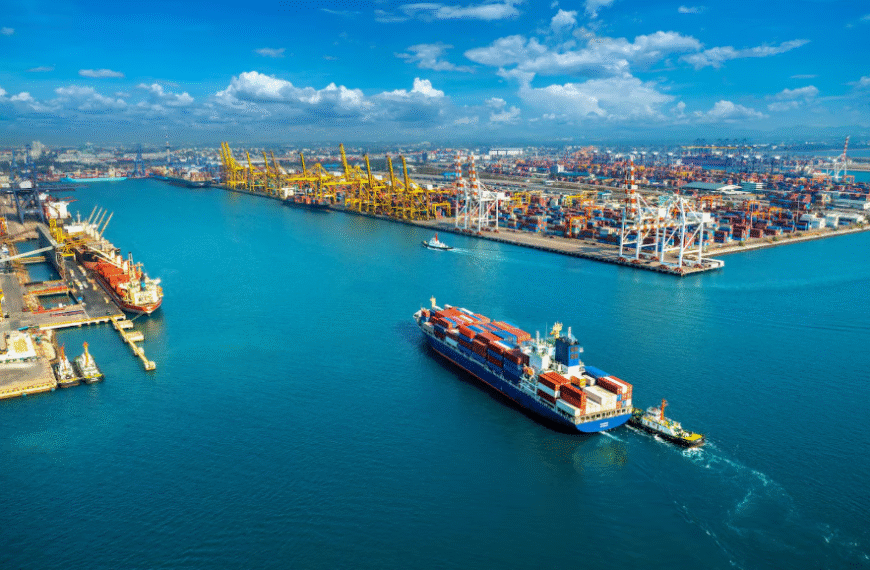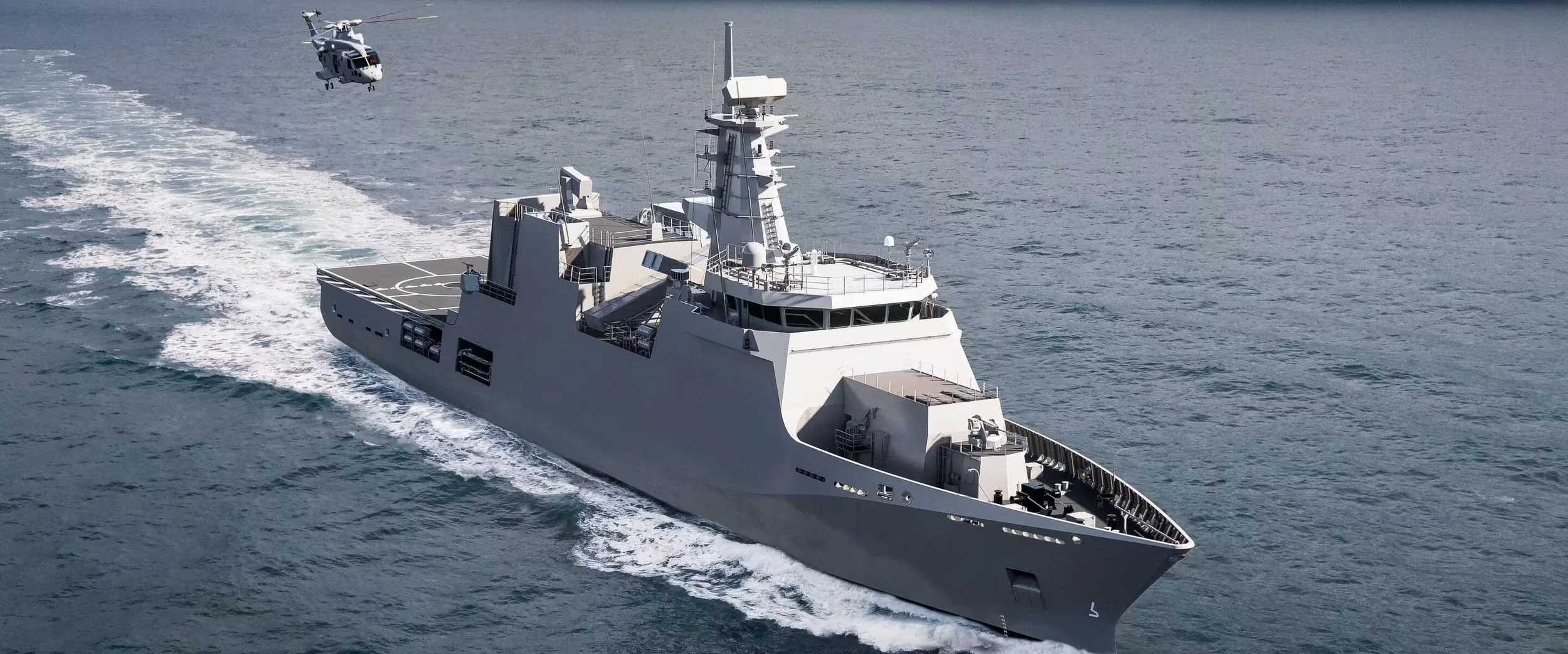
Ship design is never a one-size-fits-all discipline. The purpose of a vessel shapes every decision, from the thickness of the hull to the layout of internal spaces. Nowhere is this contrast more visible than when comparing military ships and commercial ships. While both operate in the same oceans, their missions, risks, and priorities are fundamentally different. These differences lead to distinct approaches in ship design, influencing structure, systems, performance, and onboard life.
Military ships are built to survive conflict, operate in hostile environments, and complete strategic missions. Commercial ships, on the other hand, are designed to transport cargo or passengers efficiently, safely, and economically. Understanding how ship design differs between these two categories offers insight into why these vessels look, feel, and perform so differently. This article explores the key structural and functional differences between military and commercial ship design in a clear and accessible way.
Purpose as the Foundation of Ship Design
The most important factor shaping ship design is purpose. Military ships exist to project power, defend territory, and support national security objectives. Commercial ships are built to generate profit through transport or services.
This difference in purpose affects every layer of ship design. Military vessels must be ready for combat, including damage from weapons, electronic threats, and prolonged missions without support. Commercial vessels focus on reliability, efficiency, and regulatory compliance.
Because of this, ship design for military use emphasizes survivability and adaptability, while commercial ship design emphasizes cost control and operational efficiency.
Structural Strength and Hull Construction
Structural design is one of the most visible differences between military and commercial ships. Military ship design places heavy emphasis on strength and damage resistance.
Military vessels often feature reinforced hulls and internal structures designed to withstand explosions, impacts, and battle damage. Redundancy is built into the structure so that damage in one area does not compromise the entire ship. Compartments are heavily reinforced and carefully arranged to limit flooding and fire spread.
Commercial ship design also prioritizes safety, but the focus is different. Commercial hulls are designed to withstand environmental loads such as waves and cargo weight rather than weapon impact. Structural strength is optimized to meet safety standards while minimizing weight and cost.
The result is that military ships are generally heavier and more robust, while commercial ships are lighter and more optimized for efficiency.
Compartmentalization and Survivability
Compartmentalization is a critical element of ship design, especially for military vessels. Military ships are divided into numerous watertight and fire-resistant compartments.
This design allows the ship to remain operational even if parts of the vessel are damaged. Flooding can be isolated, fires can be contained, and systems can continue functioning in unaffected sections.
Commercial ship design also includes compartmentalization, but to a lesser extent. The goal is to protect the ship from accidental damage such as collisions or groundings. However, commercial ships are not expected to continue operating after severe damage in the same way military ships are.
This difference reflects the distinct risk environments each type of ship is designed to face.
Materials and Construction Choices
Materials play a significant role in ship design differences. Military ships often use specialized materials that enhance strength, reduce radar visibility, or improve resistance to heat and impact.
Advanced alloys and coatings may be used to protect against corrosion and combat-related damage. These materials are chosen for performance rather than cost efficiency.
Commercial ship design typically relies on well-established materials that balance strength, durability, and affordability. Steel remains the dominant choice because it is reliable, widely available, and cost-effective.
The material choices reflect the economic realities of commercial shipping versus the strategic priorities of military operations.
Speed, Maneuverability, and Performance
Performance requirements differ greatly between military and commercial ship design. Military ships often require high speed and rapid maneuverability to respond to threats or execute missions.
Ship design for military vessels includes powerful propulsion systems and hull forms optimized for speed and agility. Fuel efficiency is important but secondary to performance and responsiveness.
Commercial ships prioritize fuel efficiency and steady operation. Their ship design focuses on minimizing resistance and operating costs over long distances. High speed is less critical, especially for cargo ships, where predictable schedules matter more than rapid movement.
These differing performance goals shape propulsion choices, hull geometry, and overall vessel behavior at sea.
Stealth and Signature Management
One of the most distinctive features of military ship design is stealth. Military vessels are often designed to reduce their visibility to radar, sonar, and other detection systems.
Hull shapes may include angled surfaces that reflect radar signals away from their source. Equipment is enclosed to reduce noise and heat signatures.
Commercial ship design does not include stealth considerations. Visibility is not a threat, and commercial vessels are often required to be easily detectable for safety reasons.
This difference highlights how ship design responds directly to operational threats and objectives.
Internal Layout and Space Utilization
Internal layout is another area where ship design diverges sharply. Military ships prioritize operational functionality over comfort.
Spaces are allocated for weapons systems, command centers, and mission-critical equipment. Crew accommodations are functional and compact, designed to support long deployments rather than luxury.
Commercial ship design places greater emphasis on cargo capacity or passenger comfort. Cargo ships maximize storage efficiency, while passenger vessels focus on spacious cabins, amenities, and public areas.
The internal arrangement reflects the experience each ship is intended to deliver, whether it is mission readiness or commercial service.
Crew Size and Automation
Crew requirements influence ship design in important ways. Military ships often carry larger crews due to the complexity of onboard systems and the need for redundancy during operations.
Ship design for military vessels includes living quarters, training spaces, and facilities that support extended deployments. Automation is used, but human presence remains essential for combat readiness.
Commercial ships aim to minimize crew size to reduce operating costs. Ship design increasingly incorporates automation and centralized control systems to support smaller crews.
This difference affects everything from accommodation layout to system interfaces and safety features.
Safety Standards and Regulations
Safety is critical in both military and commercial ship design, but the standards and expectations differ.
Commercial ship design is governed by international regulations that focus on accident prevention, environmental protection, and passenger safety. Compliance with these standards is mandatory for operation.
Military ship design follows separate standards set by national defense authorities. These standards prioritize combat survivability and mission success, sometimes accepting higher risk in non-combat areas.
Both approaches aim to protect lives, but they do so within very different operational frameworks.
Maintenance and Lifecycle Considerations
Maintenance philosophy is another key difference in ship design. Military ships are designed for long service lives with regular upgrades and refits.
Systems are often modular, allowing components to be replaced or improved over time. Ship design anticipates future technological changes and mission requirements.
Commercial ships are also built for long service, but economic considerations drive maintenance decisions. Upgrades are typically focused on efficiency, compliance, and cost savings.
The lifecycle approach reflects the long-term strategic value of military ships compared to the commercial focus on profitability.
Read Also: Transportation Safety and Technology
Cost and Economic Drivers
Cost is a defining factor in commercial ship design. Every design choice is evaluated based on return on investment.
Commercial ship design seeks to reduce construction and operating costs while meeting safety and performance requirements. Efficiency is key to long-term success.
Military ship design is less constrained by cost, though budgets still matter. Performance, survivability, and capability often justify higher expenses.
This difference in economic drivers explains many of the structural and functional contrasts between the two ship types.
Adaptability and Mission Flexibility
Military ships are often designed for multiple roles. A single vessel may perform defense, surveillance, and support missions.
Ship design supports this flexibility through adaptable spaces and systems. This allows military ships to respond to changing mission demands.
Commercial ships are usually optimized for specific tasks. A container ship, tanker, or cruise ship is designed for a defined role, with limited flexibility.
This specialization improves efficiency but reduces adaptability compared to military vessels.
FAQs About Military and Commercial Ship Design
Why are military ships more heavily built than commercial ships?
Military ships are designed to survive combat damage and continue operating, requiring stronger structures and greater compartmentalization.
Do commercial ships ever use military-style design features?
Some features, such as redundancy and safety systems, overlap, but commercial ship design does not include combat-focused elements like stealth or armor.
Are military ships faster than commercial ships?
Military ships often prioritize speed and maneuverability, while commercial ships focus on fuel efficiency and steady operation.
Why do military ships have larger crews?
Military ships require more personnel to operate complex systems, maintain readiness, and respond to emergencies during missions.
Which type of ship design is more complex?
Both are complex in different ways. Military ship design is driven by survivability and mission needs, while commercial ship design balances efficiency, safety, and cost.
Conclusion
Ship design reflects the mission a vessel is built to serve. Military and commercial ships may share the same oceans, but their structural and functional differences reveal entirely different priorities. Military ship design emphasizes strength, survivability, and adaptability in hostile environments. Commercial ship design focuses on efficiency, safety, and economic performance in global trade and transport.
By understanding these differences, it becomes clear why military ships appear robust and complex, while commercial ships are streamlined and purpose-driven. Both approaches represent highly refined solutions to very different challenges. In the end, ship design is a mirror of intent, shaped by what the vessel must achieve and the risks it must face at sea.