Transportation safety has dramatically shifted with the integration of advanced technologies. Systems like Advanced Driver-Assistance Systems (ADAS) and Smart Traffic Management Solutions (STMS) leverage data analytics to enhance road safety and reduce accidents. Furthermore, the emergence of electric and connected vehicles signifies a pivotal change in mobility. This evolution raises important questions about future innovations and their potential impact on transportation safety. What lies ahead in this rapidly advancing field?
Advanced Driver-Assistance Systems (ADAS)
Advanced Driver-Assistance Systems (ADAS) represent a significant advancement in vehicle safety technology, with various studies indicating that these systems can reduce accident rates by up to 40%.
Features such as collision avoidance and lane keeping enhance driver awareness and control, promoting safer driving conditions.
Smart Traffic Management Solutions
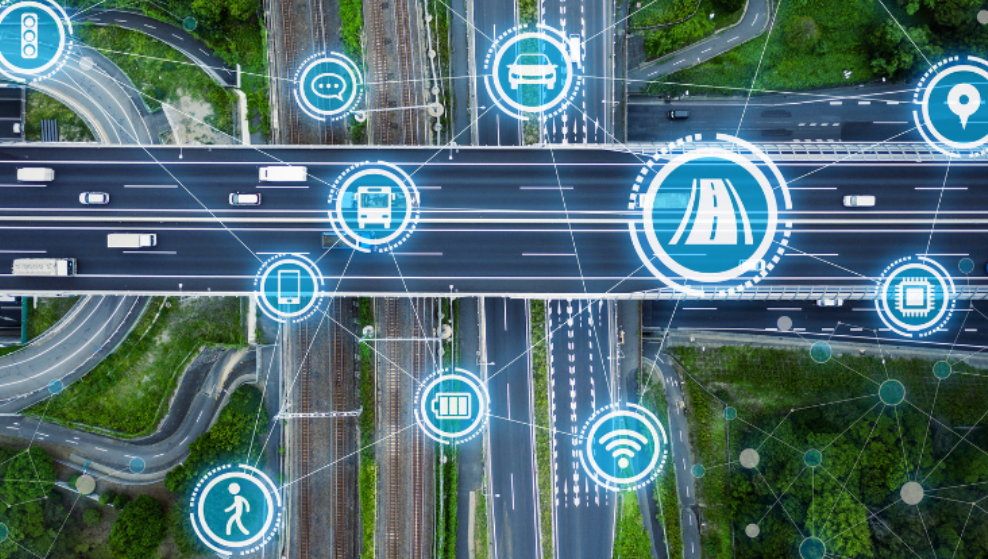
While urban congestion continues to escalate, Smart Traffic Management Solutions (STMS) have emerged as critical tools for improving road safety and efficiency.
By utilizing real-time analytics, STMS can assess traffic flow and optimize adaptive signalization, reducing delays and enhancing mobility.
These technologies not only promote smoother transit but also contribute to a safer driving environment, empowering users to navigate urban landscapes with greater freedom.
The Rise of Electric and Connected Vehicles
As the automotive industry undergoes a seismic shift, the rise of electric and connected vehicles is reshaping the landscape of transportation safety and technology.
Enhanced electric vehicle infrastructure supports widespread adoption, while connected vehicle communication facilitates real-time data exchange.
This synergy improves safety outcomes, reduces accidents, and promotes efficient traffic management, ultimately granting individuals greater freedom in mobility and fostering a sustainable future.
Future Innovations in Transportation Safety
Innovations in transportation safety are poised to transform the way vehicles interact with their environments and each other, thereby enhancing overall road safety.
The integration of automated safety features, such as collision avoidance systems, combined with predictive analytics, will enable real-time assessments of potential hazards.
These advancements promise to significantly reduce accidents, offering drivers greater freedom while ensuring a safer travel experience for all road users.
Conclusion
As transportation safety continues to evolve, the integration of Advanced Driver-Assistance Systems (ADAS) and Smart Traffic Management Solutions is proving pivotal in reducing accidents. However, a theory suggests that despite these advancements, human error remains a significant factor in road incidents, accounting for approximately 94% of crashes. This highlights the necessity for ongoing innovation and education in road safety, underscoring that technology alone cannot eliminate risks; human behavior must also adapt to these advancements for optimal safety outcomes.