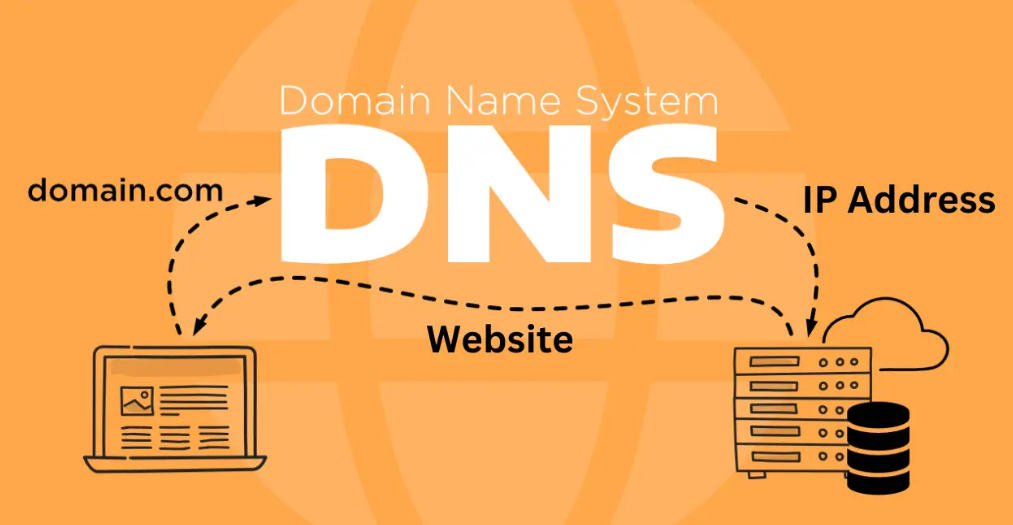
Domain names are critical components of the internet, serving as memorable addresses for websites. The Domain Name System (DNS) plays a pivotal role by translating these names into IP addresses, thereby facilitating online communication. Understanding how domain names are registered and managed is equally important. The complexities of domain name extensions can also influence their effectiveness. These elements together shape the digital landscape and warrant further exploration.
What Are Domain Names?
Domain names serve as the human-readable addresses of the internet, facilitating access to websites and online resources.
The domain name structure consists of hierarchical components, including top-level domains, second-level domains, and subdomains.
Understanding domain name importance is crucial for navigating the digital landscape, as it enables users to establish identity, enhance visibility, and foster communication in an increasingly interconnected world.
See also: Transportation Safety and Technology
The Role of the Domain Name System (DNS)
The Domain Name System (DNS) functions as a critical infrastructure component that translates human-readable domain names into IP addresses, enabling seamless communication across the internet.
DNS resolution is integral to this process; however, it also poses security vulnerabilities. Ensuring robust DNS security measures is essential to protect against threats such as spoofing and DDoS attacks, thereby safeguarding the integrity of internet communication.
How Domain Names Are Registered and Managed
Following the foundational role of the Domain Name System (DNS) in facilitating internet communication, understanding the process of domain name registration and management becomes imperative.
Domain registration involves acquiring a unique domain name through accredited registrars, while domain management encompasses the ongoing administration of these names, including renewals, DNS settings, and ownership transfers.
This ensures that domain names remain functional and aligned with user intentions.
Common Domain Name Extensions and Their Uses
Various domain name extensions serve distinct purposes, categorizing websites based on their content, target audience, or geographical location.
The .com popularity remains unparalleled, while .org significance highlights non-profit initiatives.
.net usage supports networking services. Country codes denote regional identity, and premium domains enhance branding.
Emerging new gTLDs reflect domain trends, offering innovative options for brand protection and identity in a digital landscape.
Conclusion
In summary, the intricacies of domain names and the DNS form the backbone of internet connectivity and security. As businesses and individuals navigate this evolving digital landscape, the choices they make regarding domain registration and management will significantly impact their online presence. However, as new technologies emerge and trends shift, one must ponder: will your domain strategy keep pace with the relentless evolution of the internet, or will it falter in the face of change? The answer remains to be seen.