Hybrid cloud systems represent a strategic convergence of on-premises infrastructure and cloud services. This model offers organizations unparalleled flexibility and scalability. However, the successful implementation of hybrid clouds requires a comprehensive understanding of their architectural components and the complexities of data management. As businesses navigate this landscape, they must also address critical security considerations. The implications of these factors can significantly influence the effectiveness of hybrid cloud solutions. What are the key elements that can drive success in this realm?
What Is a Hybrid Cloud System?
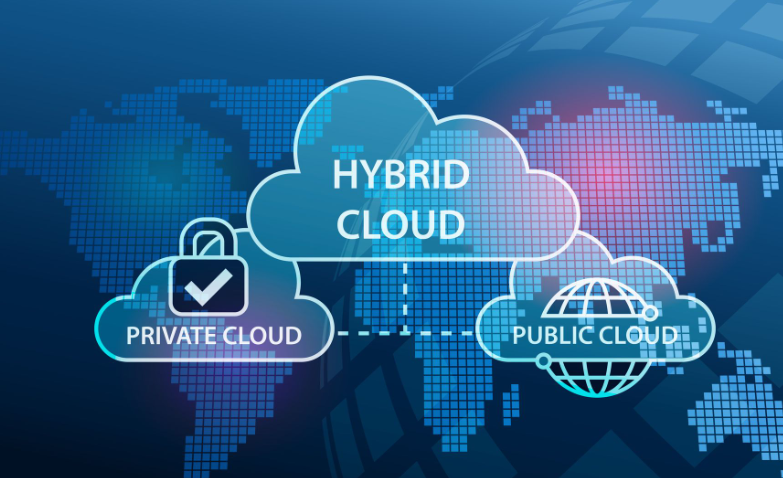
A hybrid cloud system represents a strategic integration of on-premises infrastructure, private clouds, and public cloud services, facilitating a dynamic computing environment.
This model enables organizations to leverage multiple deployment models, optimizing performance and flexibility.
Benefits of Hybrid Cloud Solutions
While organizations increasingly seek flexibility and scalability in their IT infrastructure, hybrid cloud solutions offer a compelling advantage by combining the best aspects of both private and public cloud environments.
These systems enhance cost efficiency and provide scalability advantages, allowing businesses to dynamically allocate resources based on demand.
Ultimately, hybrid cloud solutions empower organizations to optimize performance while maintaining control over their data and applications.
See also: Understanding Firewalls and Antivirus Software
Key Components of Hybrid Cloud Architecture
To effectively leverage the advantages of hybrid cloud systems, organizations must understand the key components that constitute their architecture.
Central to this framework are efficient cloud integration mechanisms, enabling seamless connectivity between on-premises and cloud resources.
Additionally, robust data management practices facilitate secure, organized access to information across environments, ensuring data integrity and compliance while empowering organizations to harness the full potential of hybrid cloud capabilities.
Challenges and Considerations for Hybrid Cloud Implementation
Implementing a hybrid cloud system presents several challenges that organizations must navigate to ensure successful integration.
Security concerns arise from managing data across multiple environments, necessitating robust protocols.
Additionally, integration complexities can hinder seamless communication between public and private clouds.
Organizations must strategically address these issues to leverage the flexibility and scalability of hybrid solutions while maintaining control and safeguarding sensitive information.
Conclusion
In the realm of digital innovation, the hybrid cloud system emerges as a bridge between two worlds—a steadfast castle of private resources and a vast, flexible ocean of public services. This strategic union empowers organizations to navigate the complexities of modern computing, leveraging the strengths of both domains while ensuring data sovereignty. However, like any journey, success demands careful navigation through challenges and a commitment to robust security and management practices, ensuring a harmonious balance in their cloud endeavors.